Industry executives and experts share their predictions for 2025. Read them in this 17th annual VMblog.com series exclusive.
By Frank Cicio, CEO and founder of iQ4
As we head into 2025, the need for cybersecurity professionals is more urgent than ever. The cyberattack landscape is rapidly evolving, and businesses face increasingly sophisticated threats. In 2024 alone, the average cost of ransomware recovery reached $2.73 million-a staggering figure that reflects the financial devastation these attacks can cause. Yet, as threats rise, we’re facing a critical shortage of qualified cybersecurity talent to protect our infrastructure and data. The cybersecurity skills gap isn’t just a looming issue-it’s a crisis happening right now.
The numbers speak for themselves. Consider the following: According to Cyberseek.org, there are currently 470,000 unfilled cybersecurity job openings in the U.S., and globally, that number balloons to 4 million vacancies. Last year, 75% of companies suffered at least one cyberattack. The number of IoT-related cyberattacks surged to 10.54 million, according to Statista.
On a global scale, cybercrime costs are projected to hit $10.5 trillion annually by 2025. The cost of inaction is astronomical, yet a Proofpoint study found that 54% of companies say their IT departments are not sophisticated enough to handle advanced cybersecurity attacks.
And, despite all of these statistics and so much data, half of today’s cybersecurity applicants are still not well-qualified to manage these threats, according to ISACA. This lack of preparedness puts businesses-and our entire digital infrastructure-at serious risk.
Why We Need More Cybersecurity Professionals
It’s clear-we need more cybersecurity professionals, and we need them now. This is not just about filling job openings. It’s about protecting the world from a future digital collapse. Many IT departments are not equipped to handle the advanced threats they face. As ransomware payments hit $449.1 million in the first half of 2023, businesses are more vulnerable than ever without the right professionals in place.
But here’s an important point that’s often overlooked: cybersecurity jobs are not just for tech professionals. The field spans governance, risk management, compliance, human factors, and policy. There is a cybersecurity role for everyone, and these areas are equally critical in shaping secure digital environments. It’s vital to highlight these broader functions within cybersecurity, as they often serve as the backbone of successful security strategies.
LER infrastructure (Learning and Employment Records) is a critical path to defining hiring needs and capabilities. With skills-based hiring increasingly becoming the norm, employers need to rethink how they identify and assess talent. It’s not just about degrees- but it’s about capabilities, and cybersecurity is a prime example of an industry where practical skills, hands-on experience, and certifications carry immense weight.
Training the Next Generation of Cybersecurity Leaders
Closing the cybersecurity skills gap requires more than filling job openings. It demands innovative training models that prepare professionals for today’s complex threat landscape. Programs designed to fuel the talent pipeline are increasingly offering hands-on, industry-driven, mentor-based projects that provide not only theoretical knowledge but practical experience. This approach leads to macro-credentials, demonstrating learners’ ability to perform immediately in the role, a vital element for employers facing the cybersecurity crunch.
These programs emphasize not only technical training but also a skills-based hiring approach-translating a student’s education into tangible skills that can be directly applied in the workplace. This method offers clear career pathways and verifies credentials for employers, helping graduates land cybersecurity roles faster and more efficiently.
Why Students Need to Consider a Career in Cybersecurity
Cybersecurity is one of the fastest-growing fields globally, with information security analyst positions in the U.S. expected to grow 32% by 2028, according to the Bureau of Labor Statistics. As global spending on cybersecurity products and services is predicted to reach $1.75 trillion from 2021 to 2025, the demand for professionals in this field will only continue to rise.
But it’s not just about job security-it’s about making a difference. Cybersecurity professionals are the first line of defense in the digital world. They protect sensitive data, safeguard privacy, and ensure the smooth functioning of critical services. By pursuing a career in cybersecurity, students aren’t just investing in their future-they’re contributing to the security of the global digital ecosystem.
2025: A Critical Turning Point
As we move into 2025, addressing the cybersecurity skills gap becomes more urgent than ever. The cyberattack landscape is accelerating, and businesses and governments worldwide face increasingly dangerous threats. But there is a window of opportunity. We can fill this gap by investing in the right training, mentorship, and skills-based hiring practices-allowing us to arm the next generation of cybersecurity professionals with the tools they need to protect our digital future.
The time to act is now. The cybersecurity skills shortage is no longer just a challenge-it’s a threat. As we move into 2025, the need for well-trained professionals has never been more urgent. By broadening the approach to cybersecurity, creating pathways for diverse talent, and focusing on the human factors and policies that drive security success, we can close this gap and secure our digital world.
Cybersecurity is no longer optional-it’s a necessity.
##
ABOUT THE AUTHOR
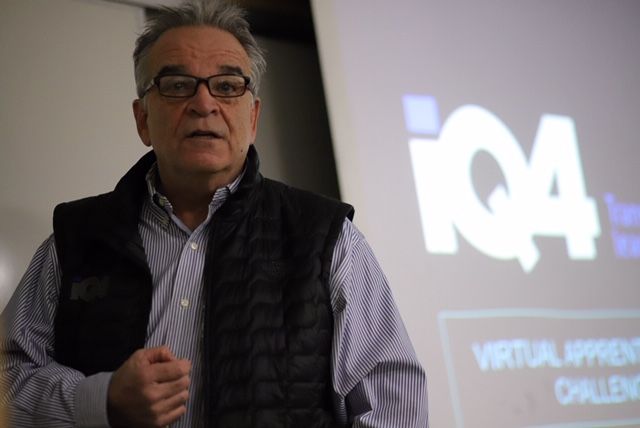
Frank Cicio is the CEO of iQ4, a cybersecurity training company that offers innovative learning models to close the cybersecurity skills gap. Through immersive projects and mentorship, iQ4 is preparing the next generation of cybersecurity leaders.