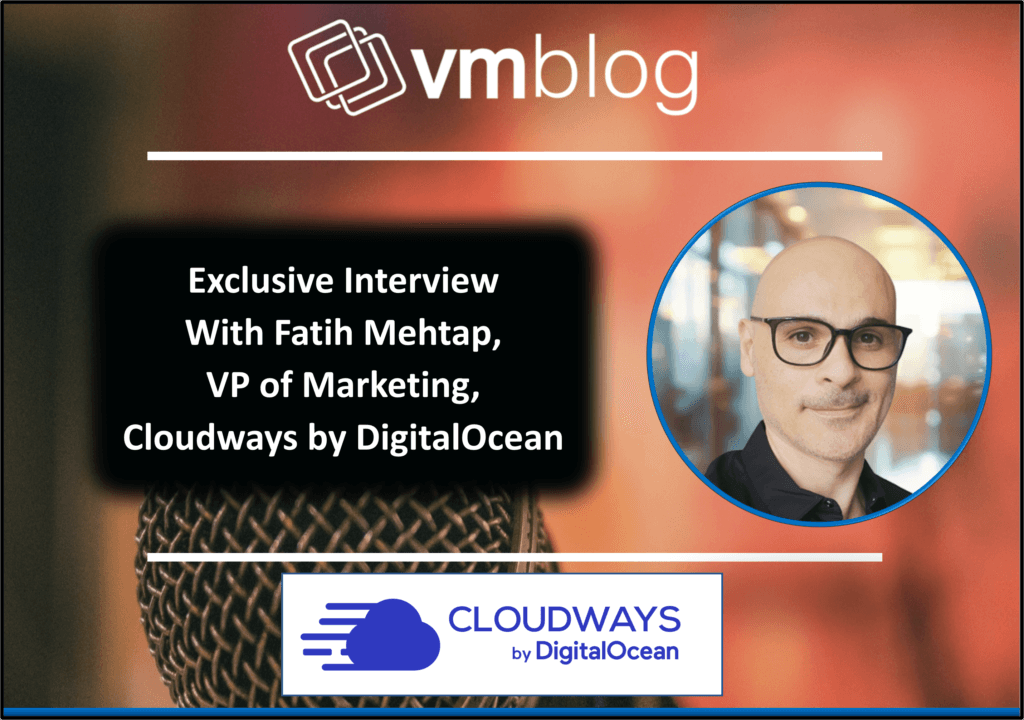
As AI-powered personalization and real-time pricing reshape the e-commerce landscape, the pressure on underlying cloud infrastructure has never been greater. In this Q&A, Fatih Mehtap, VP of Marketing at DigitalOcean, pulls back the curtain on Cloudways — DigitalOcean’s managed hosting division — and explains how the platform is helping developers, agencies, and e-commerce brands cut through infrastructure complexity to host and scale websites and applications more efficiently.
From server-side caching and automated security patching to supporting compute-heavy tools like virtual fitting rooms, Mehtap breaks down how a managed orchestration layer built on AWS, Google Cloud, and DigitalOcean is giving businesses the flexibility to experiment with AI and no-code tools without the heavy technical overhead. With bounce rates spiking to 38% on sites that take five seconds to load, Mehtap argues that a scalable, performance-optimized foundation isn’t a luxury — it’s the baseline every digital business needs to compete in the next wave of AI and cloud convergence.
++
VMblog: Can you explain Cloudways’ role as the managed hosting layer within the broader DigitalOcean ecosystem?
Fatih Mehtap: Cloudways is the managed hosting division of DigitalOcean, and our mission is to support digital business owners with the tools to host and scale websites and applications efficiently. Built on AWS, Google Cloud, and DigitalOcean, the Cloudways Platform abstracts the complexity of using cloud infrastructure through a managed experience, handling server management, security, performance, backups, and powered by an intelligence layer. The platform is popular with developers, agencies, and e-commerce brands, thanks to its native integration and support for WordPress, Magento/Adobe Commerce, and WooCommerce applications, to name a few.
VMblog: How does Cloudways automate technical tasks like server-side caching and security patching for complex WordPress and Magento environments?
Mehtap: The Cloudways Platform subtracts the complexity of cloud infrastructure by acting as a managed orchestration layer on top of major cloud providers. Instead of users interacting directly with low-level infrastructure tools (servers, networking, scaling, security), Cloudways provides a simplified control panel and automation layer that handles most operational tasks. For applications like WordPress and Magento, the platform handles the “heavy lifting”, including server management, security, performance, and backups, automatically. This allows digital business owners to host and scale their sites efficiently without getting bogged down in the technical details of the infrastructure.
VMblog: Performance is “table stakes” in e-commerce, where are you seeing the biggest infrastructure bottlenecks that prevent sites from hitting that sub-2-second load time?
Mehtap: Bottlenecks often occur when a foundation isn’t fully optimized for speed, which is critical because a site that takes 5 seconds to load sees bounce rates jump to 38%. We see issues in areas like server optimization, content distribution, and image minification. Following the “2-Second Rule” is vital, even a one-second delay can be the difference between a successful transaction and a user abandoning a mobile site.
VMblog: How is the rise of AI-powered search and personalization changing the way e-commerce brands approach their cloud resource needs?
Mehtap: AI is forcing brands to innovate faster than ever, shifting the focus toward real-time personalization and search. This shift requires a hosting environment that can support rapid data processing and constant experimentation. Because the speed of adoption is changing so quickly, brands are moving toward flexible, managed platforms that allow them to adapt to these shifts in the e-commerce experience.
VMblog: Tools like virtual fitting rooms are computer-heavy. What kind of hosting environment is required to support these real-time, high-demand AI tools?
Mehtap: These high-demand tools require fast, scalable, and secure hosting environments that can support real-time data processing. For example, a virtual dressing room that matches SKUs to body fit requires a foundation that can handle high traffic and complex tool integrations. Without a robust cloud environment to support these workloads, businesses can’t effectively use AI to reduce return rates and improve margins.
VMblog: Dynamic pricing requires instant data processing. How does the underlying cloud infrastructure ensure these offers are delivered in milliseconds without downtime?
Mehtap: Real-time pricing models depend on low-latency infrastructure and reliable uptime to process a shopper’s intent level as they browse. To deliver just-in-time offers based on behavior, like pages viewed or abandoned carts, the underlying platform must be built for speed. This ensures the right incentive reaches the right user at the right moment without any performance lag.
VMblog: How do managed platforms help businesses experiment with AI and no-code tools without adding significant technical overhead?
Mehtap: Managed platforms allow businesses to start small and pilot AI in specific areas like search or recommendations without a heavy infrastructure investment. The rise of no-code and low-code platforms is enabling teams to experiment and innovate faster than ever. By using a flexible, managed foundation, companies can test these new tools quickly and drive shifts in how they deliver e-commerce experiences.
VMblog: What is your top advice for IT leaders building a scalable foundation that can handle the next wave of AI and cloud convergence?
Mehtap: My advice is to ensure your foundation is scalable, secure, and optimized for performance from the start. Performance today covers everything from server optimization to technical SEO. By choosing a managed platform that abstracts complexity, you create an environment where you can experiment quickly and scale your applications efficiently as AI continues to transform the industry.
##
About Fatih Mehtap
Fatih Mehtap is a seasoned marketing leader, tech enthusiast, consultant, and entrepreneur with over two decades of experience across global enterprises and high-growth scale-ups. Over the course of his career, he has worked with leading organizations such as Oracle, Dell, and Amazon. He currently serves as VP Marketing at Cloudways by DigitalOcean, the managed hosting division, where he leads marketing and go-to-market strategy for the company.