By Buddy Flerl, CEO, DataStrike
To me, AI tools are a lot like a chainsaw. They’re powerful and fast, and in the wrong hands they can do a lot of damage before anyone has time to react. If a chainsaw is going to be used on a customer’s production environment, I’d much rather have an experienced, credentialed person holding it than a robot.
Most enterprises will make the same call in 2027. AI usage inside the enterprise will be very considered next year, and probably a lot more guarded than what has been reported.
Security teams are already asking vendors the right questions
Security departments and CISOs are increasingly asking vendors during onboarding whether any non-human identities, or NHIs, will be touching their environment. Some are saying flat out that no NHIs can touch their environment, and the ones that do get through are being severely vetted. As the CEO of a managed services company, I’m on the receiving end of those questions, and some of our larger clients now ask us directly whether our team uses AI and, if so, whether those tools run on secured enterprise versions. That instinct is right, and it will harden in 2027.
That scrutiny is arriving just as the number of agents starts to climb. In an April 2026 release, Gartner predicted that the average global Fortune 500 enterprise will have more than 150,000 AI agents in use by 2028. Each of those agents needs credentials to do their job, and someone has to account for every one of them. I’d be shocked if more than 30% of enterprises give outside, unchecked NHIs access to their environments in 2027.
The application layer is about to get crowded
Not long ago, the talk in the financial press was about a SaaS apocalypse. Then the larger SaaS vendors started partnering with the frontier AI providers and building those tools into their own platforms, and the markets almost did a 180. It’s becoming a both-and world, where AI lives inside the platforms companies already rely on.
A whole new universe of ISVs will bring new applications to market in 2027, and that’s going to be fabulous. Every one of those applications will want access to data, though, and the security and oversight implications will need to be rigorously vetted.
The same caution is showing up outside IT. At a recent investor meeting, I heard the CEO of an advertising agency say most of their clients are asking them to keep AI out of video production. They want real people and real cameras. That’s probably an early part of the wave, but it’s a sign that buyers are going to be deliberate about where AI shows up in the work they commission.
Service providers will be the first responders
Service providers are going to be the first responders with a lot of these new tools. We work across many customer environments at once, so we’ll have hands-on experience with new tooling well before most companies bring it in-house. At DataStrike, our team is immersing themselves in the latest AI tooling around the database platforms we support, because our customers will expect us to know which tools are safe to use in their environments.
Next year, those expectations will start showing up in writing. AI usage will become a standard section of vendor security questionnaires and service agreements, spelling out which tools a provider’s team is allowed to use and where customer data can never go. Partners that can answer those questions clearly, with policies they enforce, will have an easier time earning access to production systems.
What I expect to change in 2027
I’ve been saying this for 10 years. No matter how many robots you have, or how many tiers of robots, somewhere there’s going to need to be some human tissue at the top of the food chain. In 2027, enterprises will start putting that idea into practice. They’ll keep experienced, accountable people in charge of what AI agents can reach, and they’ll choose partners based on how carefully those partners handle the tools.
These tools will make a lot possible for our industry, and the enterprises we work with are excited about them. Next year, they’ll want a clear answer about who is accountable for every tool touching their environment before they let it start working.
##
ABOUT THE AUTHOR
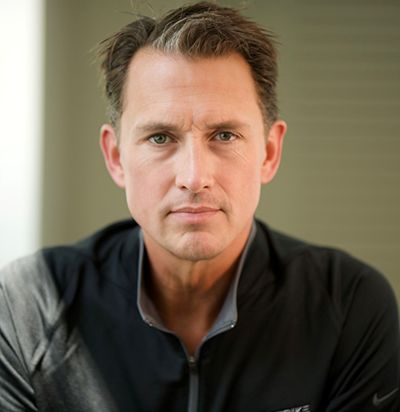
Buddy Flerl is CEO of DataStrike, the data infrastructure management company fast-growing enterprises rely on to keep their data environments stable, secure and AI-ready. Before DataStrike, he founded RDX, a database administration managed services provider, and led it as chairman and CEO. He has spent decades building and leading technology services companies and speaks regularly on the future of managed services and AI.