Industry executives and experts share their predictions for 2026. Read them in this 18th annual VMblog.com series exclusive.
By Rob Brown, President and COO, DataStrike
Mid-market IT leaders are juggling a talent crunch, the commitment to artificial intelligence (AI) and 24/7 expectations. Balancing these tasks will decide who ships on time, who falls behind, and who stays reliable. As IT continues to plow ahead with cloud, databases, applications, and business intelligence initiatives, here are five technology predictions for 2026:
1) H-1B turbulence forces a staffing model rethink
The day-to-day effects of H-1B uncertainty show up in delivery schedules, not just HR plans. Longer timelines and higher all-in costs turn hiring into a risk item for roadmaps, especially for roles where experience compounds over time. Think cloud migration leads, senior DBAs, SREs, data engineers, and business intelligence (BI) architects. Mid-market teams rarely have months to wait while the product, the backlog, and compliance dates keep moving forward.
In 2026, the winning approach is to design for flexibility from the start. Budget for fractional coverage as a standard line, not an emergency patch. Ensure security and access steps are cleared, so external specialists can be productive within a week. Shape engagements so capacity can scale up during releases and scale down during steady state. The result is fewer missed windows and fewer fire drills caused by thin staffing in critical specialties.
2) AI becomes a 24×7 operational commitment
Most organizations tested copilots and AIOps over the last two years. In 2026, these tools graduate into everyday operations. Once AI touches a customer flow or a compliance-sensitive process, the bar rises to continuous reliability, observability, and security. That takes more than choosing a model. It could be a decision about incident response, and who is on call at 2 a.m.
Mid-market IT teams cannot cover every specialty at all hours. Prompt safety, data lineage for AI features, cost control for inference, rollback paths, and human-in-the-loop remediation all come into play. The sustainable answer is co-managed operations. Standardized observability across logs, metrics, traces, and prompts keeps issues diagnosable. Treat AI like any other production dependency. Version it, test it, track its cost, give it a clear rollback, and support it 24×7.
3) Fractional support becomes the backbone of delivery
A scalable model uses fractional teams across Cloud, DBA, SRE, BI, and SecOps, embedded alongside internal staff with clear interfaces and deliverables. Structure matters. Fractional support can absorb spikes without adding long-term headcount. Outcome-based sprints align spend to finished increments instead of hours. Shared dashboards and ticket queues keep visibility high. Exit-ready documentation captures decisions, guardrails, and playbooks so the organization keeps control. When volume, risk, or spend crosses a threshold, recurring scope can convert to full-time-equivalent (FTE) roles or move into a managed service without losing context. The backbone is not just people. It is how they connect to your platform and the operational habits that stick.
4) Talent flexibility beats headcount growth
Organizations are looking to hire, but it might not be in the cards to add full-time staff, and that’s where the flexibility of fractional support comes to play. Instead of hiring full-time staff to work on short-term projects, including cloud migrations, database upgrades, and BI rebuilds, fractional experts can carry the load and for a fragment of an FTE. The goal is not more people. The goal is having the right skill at the right time, with accountability you can measure.
5) Budgets tilt toward visible, auditable outcomes
Tighter budgets do not mean doing less. They mean paying for what moves the needle. In 2026, finance and engineering will meet in the middle on concrete indicators. Contracts will reflect that reality, tying a portion of fees to performance and delivery milestones.
As organizations work to integrate part-time hires or managed service providers (MSPs), the ability to integrate these teams will matter most. Partners who manage cloud guardrails, database reliability, and governed BI end-to-end will have the edge because they can prove value quickly and do it again the next quarter without a reset.
Conclusion
Looking ahead to 2026, the teams that win will plan with vision and steady habits. H-1B realities will keep traditional hiring uneven, and AI in production will continue to raise the bar for resilience and governance. The good news is that mid-market IT does not have to choose between standing still and overcommitting. A better operating model, built on flexible capacity and disciplined operations, points the way. Set clear guardrails for cloud, databases, applications, and BI so the basics stay predictable. Then put fractional support to work on the jobs that matter most, exactly when they matter. Do that, and you ship on time, stay reliable under pressure, and keep control of the roadmap while the market and the tech keep moving.
##
ABOUT THE AUTHOR
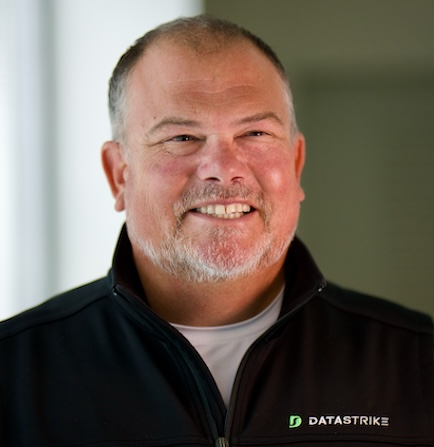
Rob Brown is a dynamic business leader with over two decades of experience growing and transforming technology organizations. As President and COO of DataStrike, he focuses on building high-performing teams, streamlining operations, and driving sustainable, customer-centered growth.