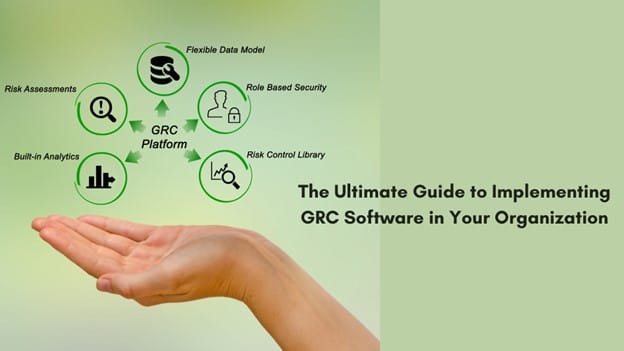
Governance, Risk, and Compliance (GRC) software serves as a critical tool in modern business management, centralizing and streamlining the processes involved in managing an organization’s governance, risk, and compliance tasks. The value of GRC software lies in its ability to improve operational efficiency and ensure rigorous compliance with regulatory standards.
This blog explores the benefits of implementing GRC software in your organization and outlines how these tools can help navigate the complexities of regulatory demands and internal governance.
Evaluating Your Organization’s Needs
The first step in adopting GRC software is to thoroughly assess your organization’s specific needs. This assessment should focus on identifying the current gaps in your governance, risk management, and compliance processes. By understanding these gaps, you can choose a GRC system that addresses your organization’s particular challenges and enhances its overall efficiency.
Tailoring the GRC solution to your needs ensures smoother integration and maximizes return on investment by aligning the software capabilities with your organization’s strategic goals.
Securing Buy-In from Key Stakeholders
The success of implementing grc software significantly depends on the support from key stakeholders across your organization. Stakeholders typically include senior management, IT, legal, and compliance teams. To secure their buy-in, it’s essential to communicate the strategic benefits such as improved compliance rates and risk management efficiencies.
Engaging stakeholders early and involving them in discussions about the software’s benefits helps align their goals, ensuring a united approach to compliance and risk management.
Choosing the Right GRC Solution
Selecting the right Governance, Risk Management, and Compliance (GRC) software is a major decision for any organization aiming to streamline these crucial aspects of its operations. The ideal GRC solution should fit the unique needs of the organization and enhance its ability to manage risk, comply with regulations, and uphold governance standards.
Organizations should assess their existing processes to identify what’s working and what needs improvement. This step ensures that the chosen GRC software will address the gaps effectively and enhance current systems.
1. Evaluate GRC Features
A detailed evaluation of the features offered by various GRC platforms is essential. Key features to look for include:
- Risk Assessment Tools: Capability to identify, assess, and prioritize risks.
- Compliance Management: Automated updates and integration of new regulatory requirements.
- Audit Management: Streamlined audit processes with scheduling, tracking, and reporting functionalities.
- Data Security: Strong security measures to protect sensitive information.
- Reporting and Dashboards: Real-time reporting features that provide insights into governance, risk, and compliance statuses.
- Integration Capabilities: Ability to seamlessly integrate with other enterprise software systems such as ERP and CRM, to ensure that all data remains connected and up-to-date.
2. Consider Usability
The usability of the GRC software is another critical factor. The interface should be user-friendly, allowing users from various departments to navigate and utilize the system efficiently without extensive training. Usability enhances user adoption rates and reduces the learning curve associated with new software implementations.
3. Scalability
As organizations grow, their GRC needs will evolve. The chosen GRC software should be scalable to accommodate future growth, whether in terms of expanding the number of users, managing larger datasets, or integrating additional functionalities. Scalability ensures that the software continues to meet an organization’s needs over time, providing a better return on investment.
4. Vendor Reputation and Support
Researching the vendor’s reputation is vital. This includes looking into their track record, the stability of the company, customer testimonials, and the quality of customer support offered. Good vendor support should include access to training, help desks, and regular updates to the software that reflect the latest regulatory changes and technological advancements.
5. Test With a Pilot Program
When possible, opt for a pilot program or trial use of the GRC software before making a full commitment. A pilot program allows the organization to see the software in action and evaluate its effectiveness in meeting their specific needs. This period can also be used to gauge the responsiveness of the vendor’s support team.
6. Cost Considerations
Consider the cost of the software which includes the initial purchase price and ongoing costs related to maintenance, updates, and training. Organizations should compare these costs against the budget allocated for GRC initiatives and consider the potential return on investment that the software promises through improved efficiencies and reduced risks.
By taking these steps, organizations can choose a GRC solution that not only fits their current needs but also supports their growth and adaptation in an ever-evolving business landscape. This careful selection process ensures that the GRC software will be a valuable tool in managing risks, ensuring compliance, and maintaining effective governance.
Defining the GRC Framework
Defining a GRC framework is an essential step that involves establishing clear governance structures, risk management processes, and compliance protocols. This framework serves as the backbone of your GRC strategy, standardizing procedures across the organization to ensure consistency and effectiveness in managing risks and compliance.
A well-defined GRC framework facilitates smoother software implementation and helps in maintaining organizational alignment with regulatory requirements, enhancing overall governance and operational control.
Implementation Steps
Implementing GRC software is a multi-step process that includes initial setup, role definition, process allocation, and training. The initial setup involves configuring the system to align with your organization’s specific requirements and integrating it with existing technologies.
Defining roles and allocating processes ensures that responsibilities are assigned, promoting accountability within the GRC framework. Training and awareness programs are crucial to ensure that all employees understand how to use the new system effectively, minimizing errors and enhancing compliance.
Monitoring and Continuous Improvement
After implementing GRC software, continuous monitoring and improvement are key to maintaining its effectiveness. Regular audits and the use of key performance indicators (KPIs) are instrumental in assessing the performance of the GRC system. This ongoing evaluation allows for timely adjustments to the GRC processes, ensuring they remain effective as organizational needs evolve and new risks emerge.
Organizations that adopt an approach to continuous improvement typically see a significant enhancement in compliance effectiveness and risk management capabilities.
Using Technology for Enhanced Compliance and Risk Management
Advanced analytics and reporting features of modern GRC software play a crucial role in enhancing organizational decision-making and operational efficiency. These technologies provide real-time insights into governance, risk, and compliance data, enabling quicker and more informed decisions.
By leveraging these capabilities, organizations can manage risks more effectively and anticipate potential compliance issues before they become problems, safeguarding against regulatory penalties and reputational damage.
FAQs
What are the common challenges organizations face when implementing GRC software?
Resistance to change and aligning GRC software with existing systems are significant hurdles, often necessitating ongoing training and adaptation to ensure successful integration.
How does GRC software improve decision-making in organizations?
GRC software provides critical real-time data and analytics that aid in making informed decisions, which in turn supports strategic alignment and reduces risks.
Can GRC software help in reducing operational costs?
Yes, by automating compliance and risk management processes, GRC software can significantly cut operational costs by eliminating inefficiencies and preventing costly regulatory penalties.
Conclusion
Implementing GRC software is a strategic decision that significantly enhances an organization’s ability to manage governance, risk, and compliance effectively. Organizations can improve their compliance and risk management capabilities and achieve greater operational efficiency and resilience in the face of regulatory changes and business challenges.
As businesses look to the future, the role of GRC software in facilitating organizational change and adaptation becomes increasingly crucial. With the right GRC tool, organizations are equipped to navigate the complexities of the modern business landscape, stay ahead of risks, and align seamlessly with current and future regulatory requirements.
##