Even in high-tech industries like software development and computer design, many companies risk using outdated technology. Unless you pay close attention to the various technologies operating in your organization, it can be easy to fall behind.
What Is the Risk of Using Outdated Technology?
Although it might be tempting to follow the “if it isn’t broken, don’t fix it” approach, this mentality can easily hurt your bottom line and customer and employee satisfaction.
Some of the most dangerous risks of using outdated business technology include having rigid workflows, frustrated customers, incompatibility with new systems and standards, high maintenance costs, a cost to the environment, being less able to recruit and retain the best talent, and threats to the security of your data and vital systems.
Less ready to adapt to change
In 2020, when a global pandemic struck, businesses worldwide had to change the way they worked overnight.
Those businesses that had already invested in remote working technologies and had a modern communications stack in place that supported remote workflows and a distributed workforce were better prepared for the new normal when it arrived.
On the other hand, businesses that weren’t technologically up-to-date were woefully unprepared for stay-at-home orders. Without things like VoIP phone systems for businesses in place, companies that were wholly reliant on legacy communications found themselves having to set all these things up if they wanted to stay open.

Why wait for the next paradigm-shifting global emergency before you make changes to the technologies deployed by your business? Staying up to date with technology trends makes companies more resilient and flexible in today’s rapidly changing business environment.
Frustrated customers
When customers encounter a tech issue caused by outdated technology, it can cause frustration or worse-they may take their business elsewhere.
This issue becomes even more critical for companies with a younger customer base. Millennial and Generation Z consumers want a frictionless digital sales experience. They want to be able to reach customer service on a channel of their choosing. They want self-service options if the issue is a common or routine one, and they don’t want to wait days or even hours for a response from technical support.
To avoid customer frustration, you need to ensure that all your different teams are equipped with the latest technologies and can use them.
To build a single customer view, you need to focus on how your customers reach out and ensure you’re operating a proper omnichannel customer relationship management (CRM) strategy. That means one where customers experience a seamless customer journey, where their information is on a centralized database that all relevant agents have access to, and where any different tools in your CRM ecosystem work together in harmony.
Incompatibility with new systems and standards
As technology evolves, compatibility becomes an issue for anyone stuck using older versions and outdated solutions. While some backward compatibility is standard for new software and hardware, even the most visionary designers can’t anticipate every new system and standard their product will encounter in the future.

Typically, this problem worsens as technology ages and can be a nightmare for developers. A solution is for designers and developers to implement thorough testing processes. However, even the best mobile app testing software can’t test how an app functions on a phone that doesn’t exist yet.
To avoid getting locked out of the latest developments in your sector and losing out to more up-to-date competitors, ensure the tools you use to do business are fully compatible with the newest technology systems and inter-organizational standards.
High maintenance costs
Older technologies often have higher maintenance costs for two reasons.
Firstly, as technology ages and its usage dwindles, there are fewer people with the knowledge and expertise required to keep it operational. The second reason, which applies mainly to machines that require electricity or fuel to be powered, is that newer designs tend to be more efficient with resources and thus cost less to run.
The high price of keeping out-of-date technology in use is an unnecessary expense when you can update to a newer equivalent that requires little or no maintenance. In addition to the advantage of lower operational costs, governments and other political bodies sometimes incentivize the transition to more energy-efficient technologies with grants and subsidies.
Environmentally unsustainable
While this one probably only applies to physical technologies, especially those using engines or motors, it is still an important consideration for modern businesses.
Making more efficient, environmentally sustainable products is one of the most crucial tasks for product designers and technologists today. Lower carbon emissions alone are often reason enough to update an aging technology.
Inhibits recruitment
Concerning recruiting the best and brightest staff, nothing can put potential new hires off a company like finding out that their technology set-up is a dinosaur.

Think about it. If you’re a recent graduate trained to use the latest modern software, why would you work for a company that’s stuck in the past? You’d have to learn how to use an aging system and risk falling behind in the job market because your skills aren’t up to date.
For example, imagine your hiring for an SEO marketing role. If you want to hire the best, they’ll likely be interested in SEO tips for affiliate marketing, automating backlink monitoring, and using the latest reporting and analytics tools to optimize your website. But unless they’re being offered an opportunity to level up your company’s SEO, no candidate will be interested in working within a marketing department that ignores the technological advances of the last decade’s data revolution.
Vulnerable to security threats
There might once have been a time when data and network security was only a concern for industries that dealt with sensitive information or needed to closely guard valuable secrets. But these days, with greater pressure than ever to respond quickly and effectively to threats, security is of growing concern, even for small businesses.
When vulnerabilities in widely used software, libraries, and frameworks are discovered, malicious actors quickly take advantage of these. In this context, “outdated” could refer to a previous version from just a few days ago, with the only difference being a single change to a product’s security features.
To stay one step ahead of those that would want to use weaknesses in your essential systems to hurt your business, you must install all security updates and patches as soon as possible.
Why Does Any Business Use Outdated Tech?
If there are so many risks associated with outdated technology and so much to gain from using the latest innovations, why does anyone resist change?
Reluctance to change
Sometimes, resistance to new technology really is just that. People get used to doing things a certain way and think that updating won’t be worth the benefits.
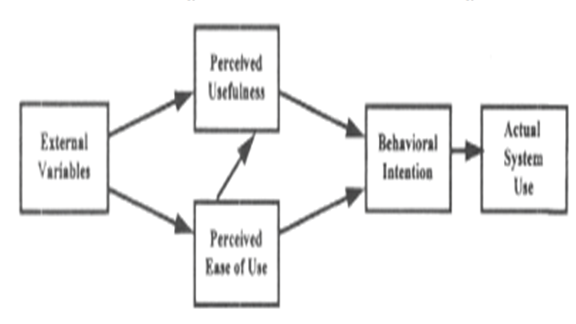
The two main factors influencing technology acceptance are how useful a new technology is perceived to be and its perceived ease of use. As a result, decision-makers and IT managers looking to convince their colleagues of the value of any new technology need to make the case that it is A) helpful and B) easy enough to use that it is worth the time and effort to learn how.
Rapid product development
The more “techy” an industry, the more likely it is that multiple layers of technology are at play in what can be complex workflows. In these scenarios, the rate of technological evolution can sometimes outpace the rate at which a given product develops.
For example, software developers might start a project using one library only for it to be superseded by a newer, better version before the project is concluded.
A simple solution is to design for changing dependencies. If you know that a given component of your application is in constant development, consider whether you can design your product to be adaptable to any expected changes in externally sourced units.
Insufficient training resources
While not all new technologies mandate training before staff usage, many of them do, and it’s usually the best way to promote company-wide adoption and ensure people use all the features of a new tool.
But training can be expensive. In addition, you may want to avoid overworking your employees by asking them to enroll in training sessions on top of their existing workload, and the need to provide training for new technology can be a turn-off for business decision-makers.
Aging infrastructure
The longer a business has been in operation, the more likely it is to enmesh in legacy infrastructures such as aging cable-based telephone networks. When businesses are wrapped up in contracts for years to come, and it seems things have been a certain way since the dawn of time, change can appear daunting.

Often in these cases, the solution is to upgrade the infrastructure itself. For example, a business that wants to set staff up with an internet phone number will struggle if its only telephone system is one built around landlines and physical desk phones.
How to Tell If Your Technology Is Past its Use-by Date
Ultimately, it would be excessive to buy new computers every week to have the latest equipment at your employees’ desks. The key to staying up-to-date is ensuring that your technology isn’t out-of-date. But how do you know if it is?
Listen to your staff
Employees on the front line of your business are the eyes and ears that can tell you how your company’s technology is working on the ground.
To make use of the valuable experience of your workforce, make sure you have employee feedback procedures in place that give staff a chance to voice their opinions about the technology they have to use.
Remember to apply emotional intelligence in workplace communication if you want to receive honest feedback that applies to making decisions about any new technology you want to roll out.
Listen to your customers
Equally important as asking your employees about the technology they have to use daily is to survey your customers to find out about their experience with your business technology.
Customer-facing technologies include your website, point of sale software, and other components of your payment solution.
Customer survey data and employee feedback need to be looked at together to get a clear picture of the strengths and weaknesses of your business technology stack.
Pay attention to industry standards
If all your competitors have moved on from technology that you are still using, it is a sure sign that you should consider following them.
Take call centers as an example-sprawling rows of agents sitting at desk phones are a thing of the past. Modern call centers hosted on the cloud have done away with the need for dedicated equipment entirely.

Call centers left using legacy solutions and on-premises machinery are simply losing out. If they want to remain competitive, they need to move with the times and migrate to the cloud-which is just what’s happening.
The Solutions
Schedule a tech review
A tech review is a systematized review of the technology in your business intending to discover if it is fit for purpose or if you would be better off upgrading. How often you review will depend on the type of technology. Software updates can often be set up to install automatically but not always. It’s worth running monthly checks on all your software programs to keep on top of which ones have pending updates.
With other technologies, a longer review cycle may suffice. It’s unlikely that the best video conferencing headset will change from month to month. But within a year, a newer, more suitable model may well have come on the market.

Keep on top of software updates
You don’t always have to be running the latest version of a piece of software, but from a security perspective, running the latest patches and updates as soon as they’re available will make your life much easier.
Most software developers will provide these for free. Even better, both Microsoft and Apple’s operating systems can be configured to install security updates automatically, as can most versions of Linux.
Investigate free upgrades
If costs are stopping you from making the change to newer technology, it’s worth looking into free options. For example, Microsoft offers a free upgrade to Windows 10 for most Windows 7 and 8 users.
Why Risk It? Upgrade Today!
Outdated technology can be a pain for your staff, customers, and business partners. Make the most of the new tools available and future-proof your business by investing in appropriate modern solutions today.
##
ABOUT THE AUTHOR
Grace Lau – Director of Growth Content, Dialpad

Grace Lau is the Director of Growth Content at Dialpad, an AI-powered cloud communication platform for better and easier team collaboration. She has over 10 years of experience in content writing and strategy. Currently, she is responsible for leading branded and editorial content strategies, partnering with SEO and Ops teams to build and nurture content. Grace Lau also published articles for domains such as Tapfiliate and Easy Affiliate. Here is her LinkedIn.