Industry executives and experts share their predictions for 2026. Read them in this 18th annual VMblog.com series exclusive.
By Jody Brazil, CEO of FireMon
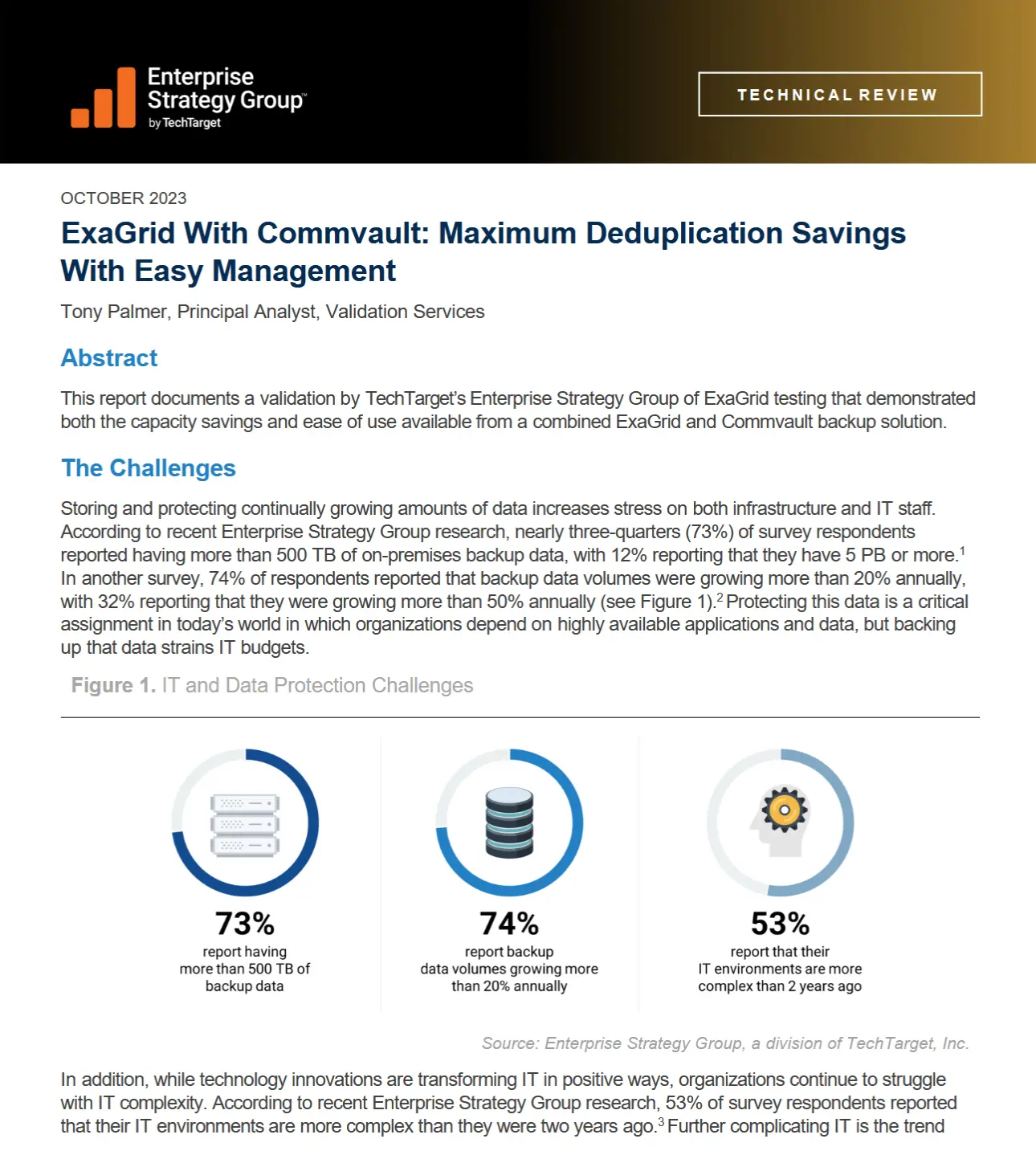
Complexity in network security isn’t just risky; it’s also measurable. According to FireMon Insights, 60% of enterprise firewalls fail high-severity compliance checks on first evaluation, with another 34% failing at critical levels. These numbers reveal that even mature enterprises struggle to maintain consistent governance across sprawling hybrid estates.
The teams that win will do three things well: simplify architectures, standardize controls, and automate everything repeatable. Here’s how that plays out across the year’s most important trends.
1) From Network Zones To Microsegmentation: Identity Becomes The Perimeter
Enterprises finally move past static, zone-based thinking to segmentation driven by asset identity. The rule of the future doesn’t protect an IP. Instead, it protects a workload, app, or business process. In virtualized and cloud environments, that means labels and attributes drive access. The payoff is less lateral movement and a smaller blast radius when something does break through the security layer.
In virtualized environments such as VMware NSX and containerized clouds, microsegmentation now serves as the enforcement backbone, dynamically isolating workloads based on identity and context rather than static IP zones.
2) Cloud Misconfiguration Is The Next Breach You Can Prevent
Attackers won’t need zero-days if your security groups, route tables, service policies, or storage permissions are misconfigured. Virtual firewall sprawl is real. Every VPC, container network, and SaaS control plane ships with its own policy model. The fix in 2026 is unified oversight, so on-prem firewall rules and cloud controls are reviewed, simulated, and certified under a single governance framework.
3) NSPM’s Renaissance: From “Firewall Cleanup” To Policy Platform
Network Security Policy Management (NSPM) was once treated as a tool category. In 2026, it functions as the policy plane, i.e. the system that defines, simulates, validates, and proves policy across firewalls, cloud security groups, SD-WAN, and microsegmentation. If Zero Trust is the strategy, an NSPM-style platform is the engine that turns intent into enforceable controls and keeps them aligned as the environment shifts.
4) Vendor Consolidation Becomes A Security Strategy
The era of endless point products is ending. Security leaders are choosing fewer, broader platforms that integrate policy, enforcement, and analytics in a single place. When every second counts during an incident or audit, best-integrated is the cornerstone. Fewer consoles mean faster answers. As platforms converge, the next logical step is to standardize how they fit together through architecture.
5) Architecture Centralization Becomes Non-Negotiable
In 2026, architecture teams will select the tools that fit the reference framework: shared data, common policy models, and standard workflows. Ironically, tighter governance will make security more agile, not less, because it cuts the chaos of one-off stacks and conflicting rules.
6) AI Becomes The Assistant, Not The Answer
The winning pattern isn’t “AI in a box,” it’s AI embedded in operations. For instance, think daily policy analysis, rule hygiene checks, exception clustering, evidence generation, and change simulation that runs before a ticket ever hits implementation. AI reduces toil and false positives; humans set intent, adjudicate risk, and sign the change.
7) The AI Arms Race Escalates, So Response Must Be Machine-Speed
Adversaries are already using AI to test defenses, mutate payloads, and probe policies at scale. Human-only detection won’t keep up. The counter is AI-assisted detection with automated containment-temporary rules, just-in-time segmentation, and rapid rollback that buys responders time without breaking the business.
8) Automation Becomes The ROI Engine Of SecOps
In 2026, automation will become the performance metric every security team lives by. Success will be measured not in lines of code, but in hours saved, risks reduced, and late-night changes that never have to happen. The biggest payoffs come from automating the work that used to slow everyone down – firewall and segmentation changes, policy recertification, compliance evidence, and cloud hygiene. When these cycles run themselves, “audit season” becomes an always-on dashboard rather than a deadline panic.
FireMon customers already see this shift in practice, reporting up to a 90% reduction in compliance reporting time after automating policy review and evidence workflows across hybrid networks.
The first step to automation is admitting how much waste exists. FireMon data shows that nearly 30% of firewall rules are completely unused, and more than 10% are redundant or shadowed. Automating policy reviews and cleanup isn’t a luxury; it’s the only way to reclaim efficiency and reduce the attack surface in 2026.
9) Security Teams Become Automation Teams
The standout practitioner isn’t the person who can hand-craft a hundred ACLs; it’s the one who can author a policy playbook, wire it into ITSM and CI/CD, and instrument time-to-remediate and drift metrics. The human role doesn’t disappear; it moves up the stack to intent, validation, and accountability.
10) Continuous Evidence Replaces Periodic Assurance
Boards and regulators aren’t asking if a control exists; they’re asking for proof it worked. The operating model shifts from once-a-year attestations to always-on validation such as exceptions tracked, timelines measured, and segmentation intent compared to enforcement.
The theme for the year will be straightforward: simplify the stack, standardize the model, and automate the work.
##