As artificial intelligence rapidly transforms from experimental technology to mission-critical infrastructure, organizations are discovering that deploying LLM applications in production comes with an entirely new set of challenges. Unlike traditional software systems, AI applications are inherently unpredictable�prone to performance volatility, quality drift, and runaway costs that can blindside engineering teams. Yet most observability solutions still rely on the same instrumentation approaches designed for conventional applications, creating a dangerous gap between the complexity of modern AI workloads and the tools available to monitor them.
In this exclusive VMblog Q&A, we sit down with Orr Benjamin, VP of Product at groundcover, to explore how his company’s zero-instrumentation approach to LLM observability is addressing these critical blind spots. From leveraging eBPF technology to ensure complete visibility without code changes, to implementing a “Bring Your Own Cloud” model that keeps sensitive AI data secure, Benjamin shares insights on why traditional monitoring falls short for AI applications and how organizations can achieve reliable, cost-effective LLM deployments at scale.
VMblog: What makes groundcover’s LLM Observability different from other solutions on the market?
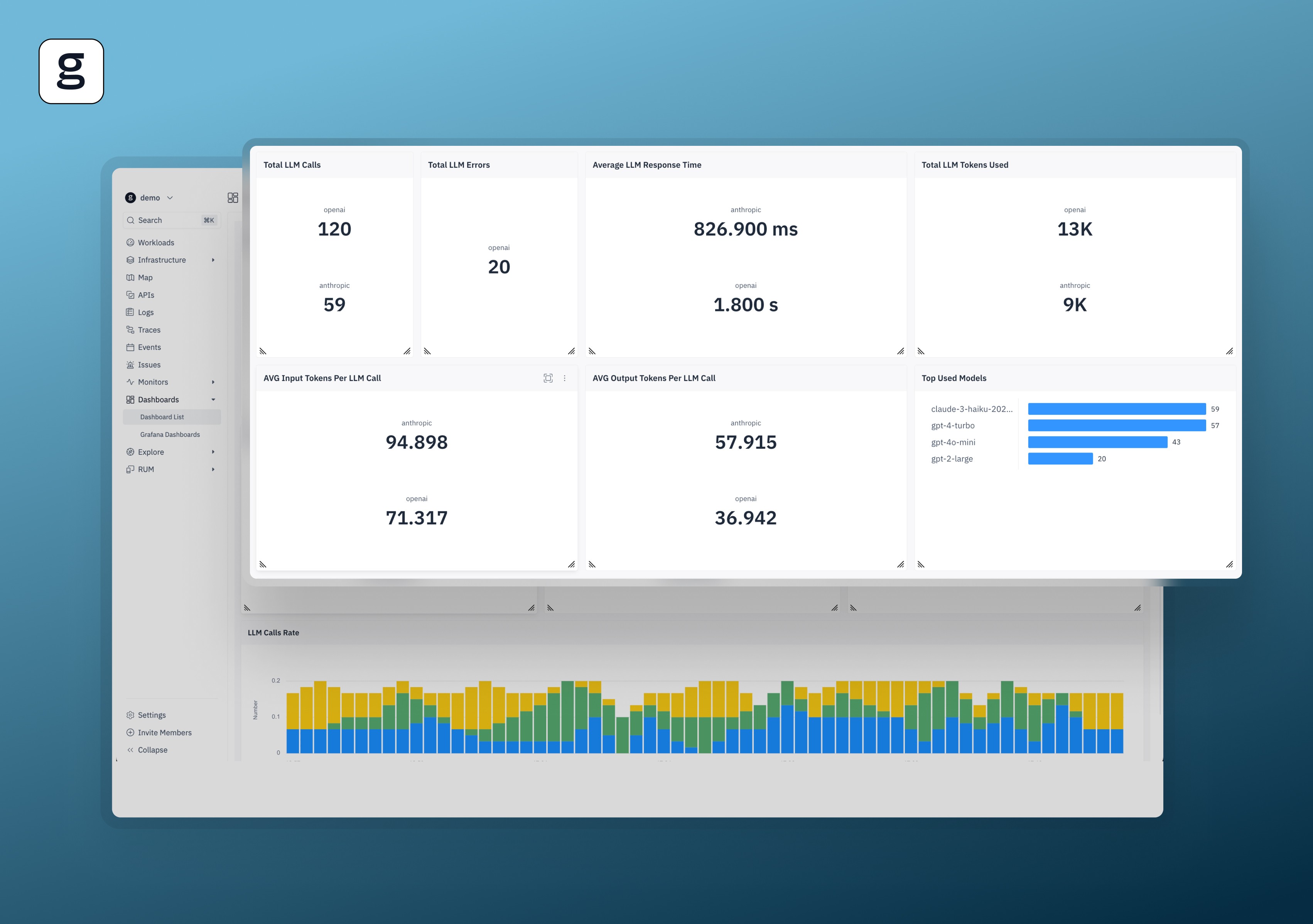
Orr Benjamin: Whether it’s a traditional observability platform like Datadog or a modern LLM monitoring tool like Arize, most solutions still rely on developer instrumentation. That means inserting SDKs or agents into applications, a process that is brittle, time-consuming, and difficult to scale across diverse environments and fast-changing AI stacks.
groundcover’s approach is fundamentally different because it is zero-instrumentation. By leveraging eBPF (extended Berkeley Packet Filter), groundcover monitors every API call, prompt, response, latency, and token usage at the infrastructure level, with no code changes, no fragile integrations, and no performance trade-offs.Additionally, groundcover’s BYOC (Bring Your Own Cloud) model ensures that sensitive prompts and completions never leave your environment, a key differentiator for teams working with regulated data or customer information.
Competing platforms often layer quotas, add-on pricing, sampling, retention policies, or limits by number of users, creating hidden costs and incomplete coverage. By contrast, groundcover includes LLM Observability out of the box, at no additional cost, giving organizations full coverage with no trade-offs.
VMblog: Why do LLMs need to be monitored in the first place?
Benjamin: LLMs applications are powerful but inherently fragile. Their multi-turn nature, reliance on probabilistic outputs, and dependence on external APIs make them uniquely prone to volatility and failure modes that traditional systems don’t face. Some of the biggest risks include:
- Performance volatility: Latency balloons when multiple LLM calls and APIs are chained.
- Unpredictable ROI: Token usage and pricing models vary, often leading to runaway costs.
- Quality drift: Hallucinations, context loss, or tool misuse erode reliability and trust.
- Security risks: Prompts can leak PII, and open-ended inputs invite prompt injections.
Without observability, organizations are essentially “flying blind,” unable to debug failures, optimize costs, or ensure compliance. Monitoring LLMs applications isn’t optional, it’s the only way to make them reliable in production.
VMblog: What are some key benefits of having LLM Observability and more traditional observability metrics within the same platform?
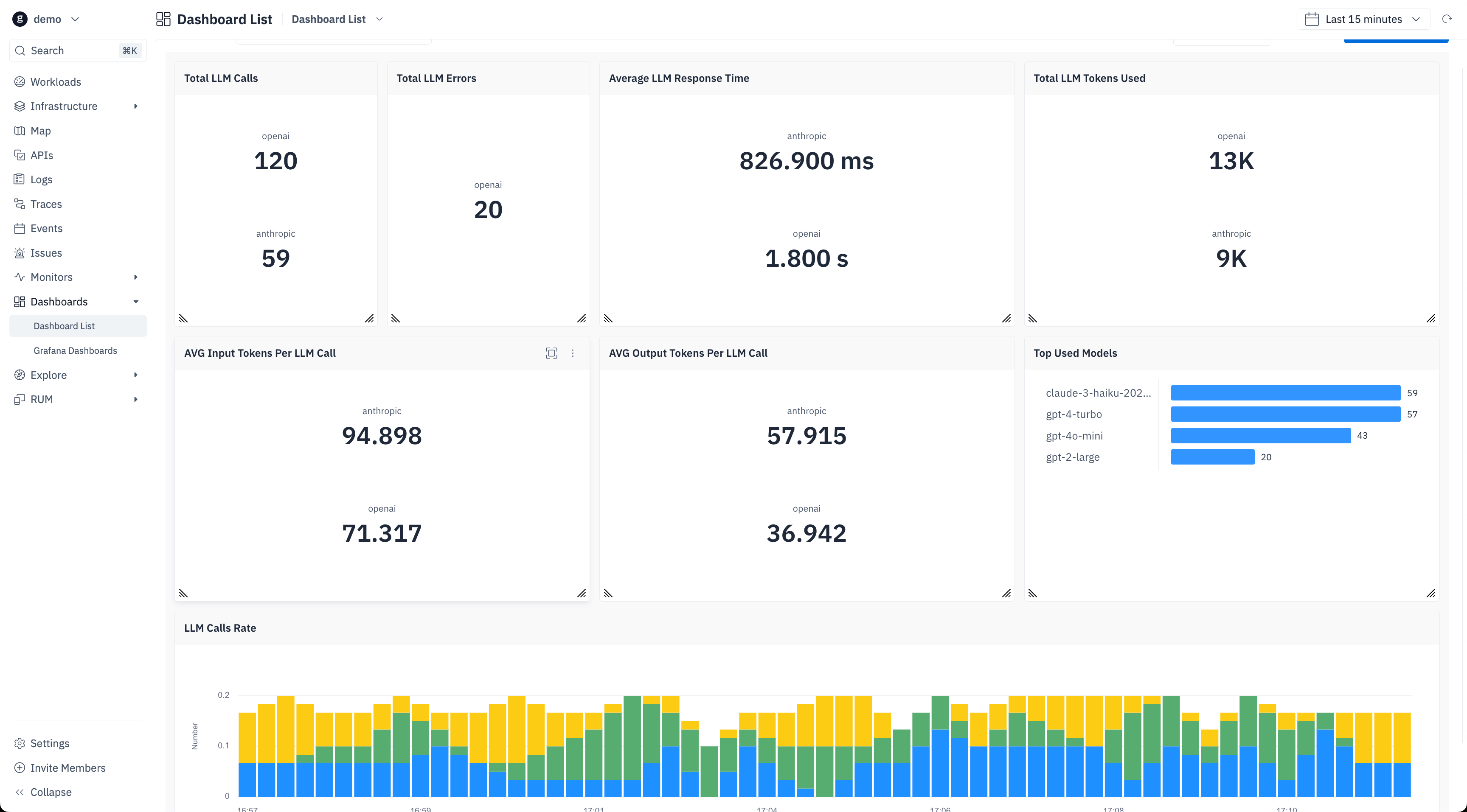
Benjamin: Bringing LLM Observability into the same platform as traditional application and infrastructure Observability creates a unified view of system health. This has three big advantages:
- Faster troubleshooting: Engineers can correlate LLM application issues (e.g., a spike in hallucinations or latency) with infrastructure metrics (e.g., API throughput, memory usage, or network slowdowns).
- Holistic performance optimization: Token usage, error rates, and LLM latency can be tied directly to end-user experience metrics, helping teams understand the real business impact.
- Cost and reliability trade-offs in context: Instead of treating LLM monitoring as a silo, organizations can make smarter decisions about resource allocation, balancing infrastructure spend with AI performance.
This convergence means teams don’t need a separate “AI observability” stack. Teams can leverage the same workflows, alerts, and dashboards they already trust and come to rely on.
VMblog: “Observability” is a broad term that essentially means being able to understand what’s going on within a system. With everything changing so rapidly in the AI era, how does a product organization even prioritize what solutions to build, when the whole ecosystem can be disrupted and evolve so quickly?
Benjamin: The key is to focus on the fundamentals that don’t change, even as the AI ecosystem evolves. Teams can’t afford long instrumentation cycles or fragile integrations when new LLM providers and agent frameworks appear almost weekly. That’s why solutions that deliver immediate value without slowing developers down become the highest priority.groundcover’s approach highlights these durable priorities:
- Zero-instrumentation observability with eBPF, giving teams instant visibility into LLM workloads without code changes.
- End-to-end insight into real-world workflows, not just latency or token counts, so engineers can understand why an LLM response failed, where context drifted, or how a tool added latency.
- Security and compliance built-in with a Bring Your Own Cloud (BYOC) model, ensuring sensitive prompts and responses never leave your environment.
- Practical cost and performance optimization, with out-of-the-box tracking of token usage and inefficient flows.
In a landscape where the technology stack is shifting so quickly, the safest bet is to focus on solutions that work right away, don’t slow teams down, and keep sensitive data secure. These priorities, visibility, security, and cost control, will stay essential no matter which LLMs, agent frameworks, or any other tool a company chooses in the future.
##