As AI moves from experimentation into critical operations, organizations are growing more dependent on models, platforms, infrastructure, and services they may not be able to fully inspect, adapt, move, or govern. Much of the conversation about AI sovereignty, however, is still happening at a high political or strategic level. The Eclipse Foundation, the Brussels-based open source software foundation behind technologies such as Jakarta EE, Eclipse Temurin, the Eclipse IDE, and the Open VSX Registry, is aiming to make it more practical with the launch of the Sovereign AI Foundation.
Despite the name, the Sovereign AI Foundation is not a new standalone software foundation. It is an Eclipse Foundation Industry Collaboration that gives members a vendor-neutral forum to examine their dependencies, compare real-world experience, evaluate open source projects, and develop practical guidance such as white papers, blueprints, and landscape analyses. It will not develop software or technical specifications, as that work will continue within independently governed Eclipse Foundation projects. The group launches with 17 member organizations, including Ericsson, Red Hat, Robert Bosch, Thales, and Infosys, with more in the process of joining.
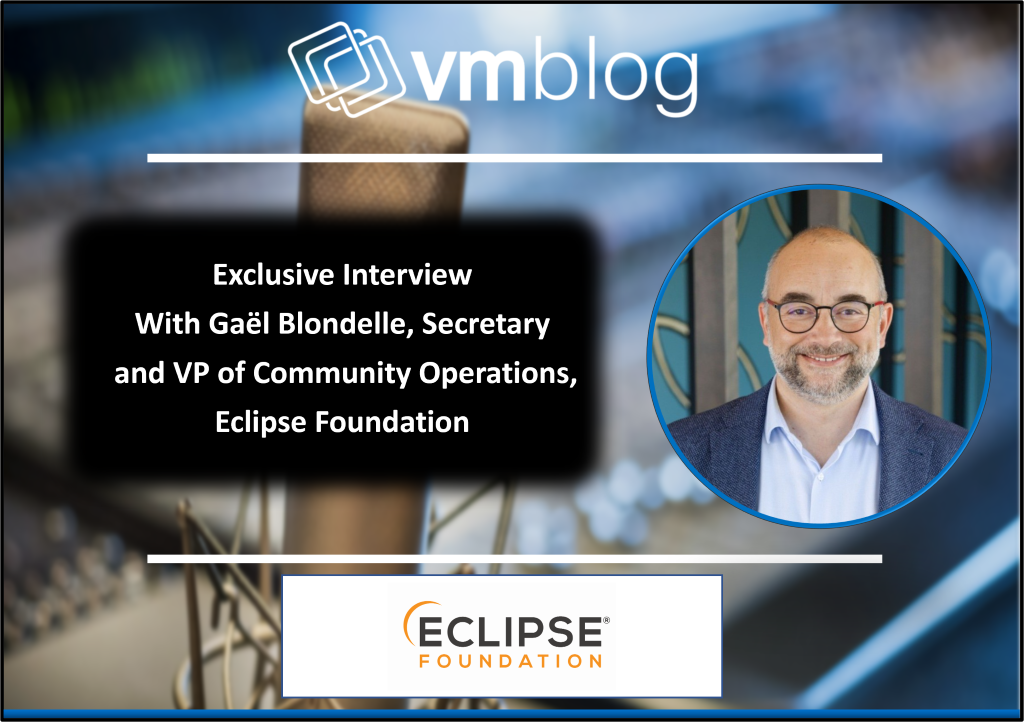
In this VMblog Q&A, Gaël Blondelle, secretary and vice president of Community Operations at the Eclipse Foundation, explains how the organization defines AI sovereignty, why it is about preserving meaningful choice and control rather than isolation or complete self-sufficiency, and how open source collaboration can help organisations reduce unnecessary dependencies. He also outlines what the Foundation will do, which projects are relevant, and how organisations can get involved.
++
VMblog: Before we get into the announcement, can you give us some background on the Eclipse Foundation and the Sovereign AI Foundation?
Gaël Blondelle: Certainly. The Eclipse Foundation is a Brussels-based open source software foundation and one of the largest in the world. We provide a vendor-neutral home for hundreds of open source projects spanning software-defined vehicles, cloud and edge computing, embedded systems, IoT, developer tools, enterprise Java, and RISC-V hardware. Many developers know us through technologies they use every day, including the Open VSX Registry, Jakarta EE, Eclipse Temurin, and the Eclipse IDE.
We also help open source communities and industry understand and respond to issues such as cybersecurity, regulation, and technological sovereignty. That work has become particularly important in Europe with legislation such as the Cyber Resilience Act.
AI brings many of these issues together. The Eclipse Foundation already supports a growing portfolio of open source AI projects, but organisations also need a place to compare experience, understand their dependencies, evaluate relevant technologies, and identify common requirements involving data, infrastructure, governance, security, and control. The Sovereign AI Foundation provides that forum while creating a stronger connection between member needs and the open source communities building the technologies they rely on.
VMblog: How does the Eclipse Foundation define AI sovereignty?
Blondelle: AI sovereignty means preserving meaningful choice and control over the systems an organisation depends on. It does not mean isolation or complete self-sufficiency. It means being able to understand, choose, adapt, and govern critical AI systems while maintaining viable alternatives and the freedom to change direction as costs, requirements, or provider terms evolve.
Open source is central to achieving that goal. It can provide greater visibility into technology dependencies, more flexibility to adapt systems, and more choice in how AI is deployed. Combined with sound governance and operational expertise, open technologies can help organisations reduce unnecessary dependencies and retain greater control over their AI systems.
VMblog: With so many organisations and nation-states talking about this issue, why another Foundation?
Blondelle: Despite the name, this is not a new standalone software foundation. The Sovereign AI Foundation is an Eclipse Foundation Industry Collaboration that gives members a vendor-neutral forum to work on these issues together.
Much of the current discussion about AI sovereignty is still taking place at a high political or strategic level. Our focus is on making it practical. As AI moves into critical operations, organisations are becoming dependent on models, platforms, infrastructure, and services they may not be able to fully inspect, adapt, move, or govern.
The Sovereign AI Foundation gives members a structured environment to examine those dependencies, compare real-world experience, assess their options, and develop practical guidance. Participants collaborate on equal terms under the Eclipse Foundation’s established governance, antitrust, and intellectual property policies.
VMblog: What will the Sovereign AI Foundation actually do?
Blondelle: The Sovereign AI Foundation will focus on knowledge sharing, technology assessment, project evaluation, ecosystem coordination, and practical guidance. It will not develop software or technical specifications. That work will continue within independently governed Eclipse Foundation projects.
Its activities will focus on six areas: mapping real-world needs and use cases; assessing technologies and dependencies; evaluating relevant open source projects; sharing experience and identifying common requirements; developing practical resources such as white papers, blueprints, and landscape analyses; and translating findings from Eclipse Foundation research and EU-funded projects into insights members can apply.
Relevant projects include Eclipse Theia and Theia AI for AI-enabled developer tools, Eclipse Enclave for isolated execution of AI coding agents, Eclipse PanEval for model evaluation, and Eclipse LMOS for multi-agent systems. The Open VSX Registry also provides vendor-neutral extension infrastructure used by open source and AI-enabled development tools.
The goal is to create a feedback loop between the organisations deploying AI and the communities building the technologies they need. Members gain practical options and guidance, while project communities gain real-world requirements, feedback, expertise, and opportunities for broader adoption.
VMblog: Who is participating in the Sovereign AI Foundation?
Blondelle: The Sovereign AI Foundation launches with 17 organisations spanning technology, industry, research, and the open source community: CEA LIST, EclipseSource, Engineering Ingegneria Informatica, Ericsson, Eurotech, Infosys, Kentyou, KU Leuven, Open Elements, Red Hat, Renesas Electronics, Robert Bosch, Thales, The IO Foundation, TypeFox, the University of York, and Vector Informatik.
That diversity is important. AI sovereignty is not simply a policy or infrastructure issue. It affects how AI is developed, deployed, secured, operated, and maintained across different industries. Bringing those perspectives together will help ensure that the collaboration’s priorities, project assessments, and practical resources reflect real operational needs.
Additional organisations are in the process of joining, and all Eclipse Foundation member organisations are eligible to participate.
VMblog: Where can readers learn more or get involved?
Blondelle: Organisations interested in participating in the Sovereign AI Foundation can learn more at sovereign-ai-foundation.org. Information about Eclipse Foundation membership, open source projects, and other industry collaborations is available at eclipse.org.
##