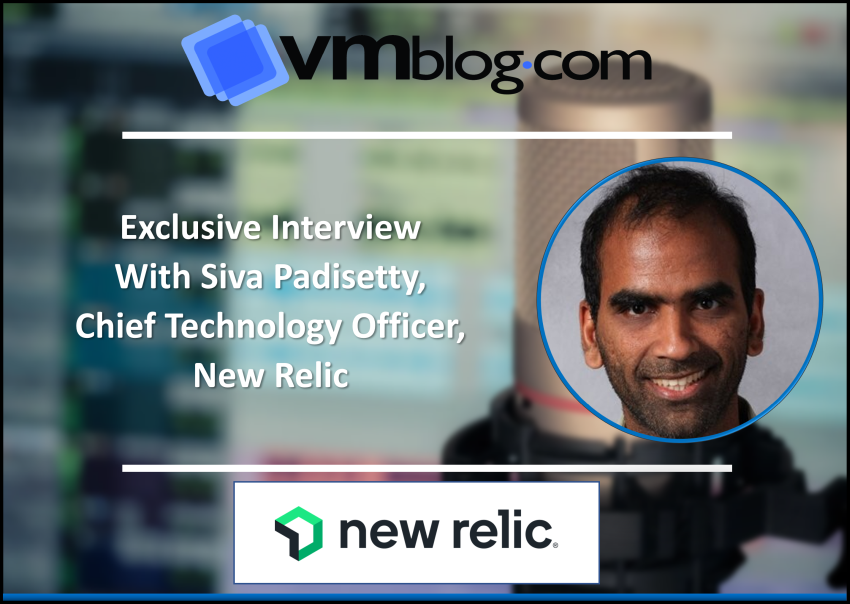
In an era where environmental sustainability is becoming increasingly crucial, the tech industry is finding innovative ways to reduce its carbon footprint. Enter GreenOps, a cutting-edge approach that’s reshaping how we think about software development and cloud operations. VMblog recently sat down with Siva Padisetty, Chief Technology Officer at New Relic, to explore this groundbreaking concept.
Padisetty, a pioneer in implementing GreenOps principles, shares invaluable insights on how this practice is not just benefiting the environment but also driving operational efficiency and cost savings. From reducing AWS bills to rethinking traditional architectures, New Relic’s journey with GreenOps offers a compelling case study for organizations looking to balance innovation with sustainability.
In this exclusive Q&A, we take a deeper dive into the core principles of GreenOps, its differentiation from DevOps and FinOps, and practical strategies for companies and individual engineers to embrace this eco-friendly approach. Join us as we uncover how GreenOps is set to become the new standard in tech, promising a greener future for software development without compromising on performance or profitability.
VMblog: What is GreenOps and some of its key principles?
Siva Padisetty: GreenOps is a practice that integrates sustainability principles into every phase of the software development lifecycle (SDLC), including decisions regarding feature selection, architecture design, and resource usage. The key principles include optimizing cloud usage, choosing energy-efficient technologies and architectures, and regularly reviewing and streamlining systems to minimize waste and redundancy. Ultimately, the goal is to ensure operations remain cost-effective while guaranteeing the lowest possible environmental damage.
VMblog: How does GreenOps differ from other engineering methods like DevOps and FinOps?
Padisetty: Compared to more traditional methodologies like DevOps and FinOps, GreenOps focuses on reducing greenhouse gas emissions and increasing sustainable business and operational practices through software development. While DevOps focuses on improving collaboration between development and operations teams, and FinOps focuses on optimizing cloud spending, GreenOps prioritizes sustainability as a core business practice alongside efficiency and cost-effectiveness.
VMblog: How does GreenOps contribute to reducing greenhouse gas emissions in software development?
Padisetty: GreenOps encourages implementing energy-efficient practices such as utilizing cloud specific optimal instances like AWS Graviton, optimizing cloud resource usage, and streamlining architectures to minimize waste. Organizations can significantly decrease their operational carbon footprint while maintaining operational efficiency by making carefully calculated choices in technology selection and system design. For instance, we have seen an uptake in this inside the data center with the introduction of more liquid cooling solutions, and we expect GreenOps to further reduce greenhouse gas emissions.
VMblog: What has New Relic’s experience with GreenOps been, and how has it impacted its carbon emissions and operational efficiency?
Padisetty: Thus far, New Relic’s experience with GreenOps has been highly positive, best illustrated by our transition from data structures to a fully cloud-based operation. We are running a fully cloud-based operation after completing our exit from utilizing data structures in October 2023. Using a cloud-based infrastructure is preferable to relying on data centers since data centers run at all hours. Conversely, cloud operations can be more targeted and controllable. We leveraged the New Relic all-in-one observability platform to save our cloud spend significantly. For example, our FY24 AWS bill is over 18% lower than FY23 even though we migrated 100s of services from onprem. This translates to a corresponding reduction in carbon footprint.
VMblog: What specific practices within GreenOps can organizations implement to make their software development processes more sustainable?
Padisetty: Specific practices that organizations can implement include transitioning to cloud-based operations, utilizing energy-efficient technologies like ARM processors, regularly reviewing architecture for opportunities to streamline processes, and incorporating sustainability considerations into decision-making throughout the SDLC. They should also optimize workloads regularly based on the insights gathered from an observability tool like New Relic, implement auto-scaling, improve resource utilization, terminate unused cloud resources, etc. Other GreenOps choices are matters of principle and culture within an organization and boil down to how much they are willing to invest in sustainable business practices.
VMblog: In what ways can individual engineers contribute to energy efficiency within their organizations?
Padisetty: Software engineers can choose to consider sustainability in their everyday practices-from the models and coding languages they use to regularly reviewing architecture for opportunities to streamline the stack. A good place to begin as an organization or individual is by asking questions. Why do we build software the way we do? Does this align with our priorities? Many companies rely on microservices architecture because it allows them to bring a product to market more quickly, but this framework often holds inefficiencies and redundancies in the stack, especially when overdone. A self-audit may reveal that weakness and prompt a discussion about whether it’s time to pivot to a more sustainable foundation.
VMblog: What challenges do organizations face when implementing sustainability-centric initiatives like GreenOps, and how can they overcome them?
Padisetty: Common GreenOps challenges organizations face include resistance to change in processes, a lack of awareness and understanding of sustainability’s principles and importance, and a lack of dedication to environmentally sound concepts and best practices. Leaders have to realize that GreenOps doesn’t have to be all-or-nothing. Companies can begin with minor changes and scale up over time to overcome these challenges. New projects can be created with GreenOps principles implemented throughout the SDLC, from choosing models and languages to auditing for any redundancies to cut.
VMblog: What significant impacts and changes do you see developing throughout the industry as more organizations adopt GreenOps principles?
Padisetty: As environmental issues become more pertinent across industries, engineering teams will increasingly adopt GreenOps principles to incorporate more sustainable software development practices into their operations. New Relic believes these sustainable practices will become the technology industry standard. GreenOps’ advantages include helping businesses attract strong talent, meeting the needs of their customers, and reducing infrastructure costs. Taking the first steps may be intimidating, but we expect more companies to see that the increased efficiency from implementing GreenOps processes is a win-win for the business and the planet. As GreenOps adoption rises, companies will realize they don’t have to sacrifice their bottom line to become more sustainable.
##