Industry executives and experts share their predictions for 2024. Read them in this 16th annual VMblog.com series exclusive.
Data, Cloud and Sustainability
By Gareth Burton, CEO Orbus Software
As we approach the year-end, change remains a constant, and ensuring business resiliency will remain imperative in 2024. As a result, enterprises need 360-degree visibility into their operations, spanning data to strategy to technology to people. This demand for clarity into the digital blueprint of organizations will accelerate the integration of AI and automation as enterprises look to anticipate market shifts, regulatory changes and insulate their operations.
So, let’s explore what 2024 has in store for the world of technology. Below are a handful of predictions that IT teams need to consider in this digital-by-default era.
1. Clean data, Clear insights: The Importance of data hygiene with AI
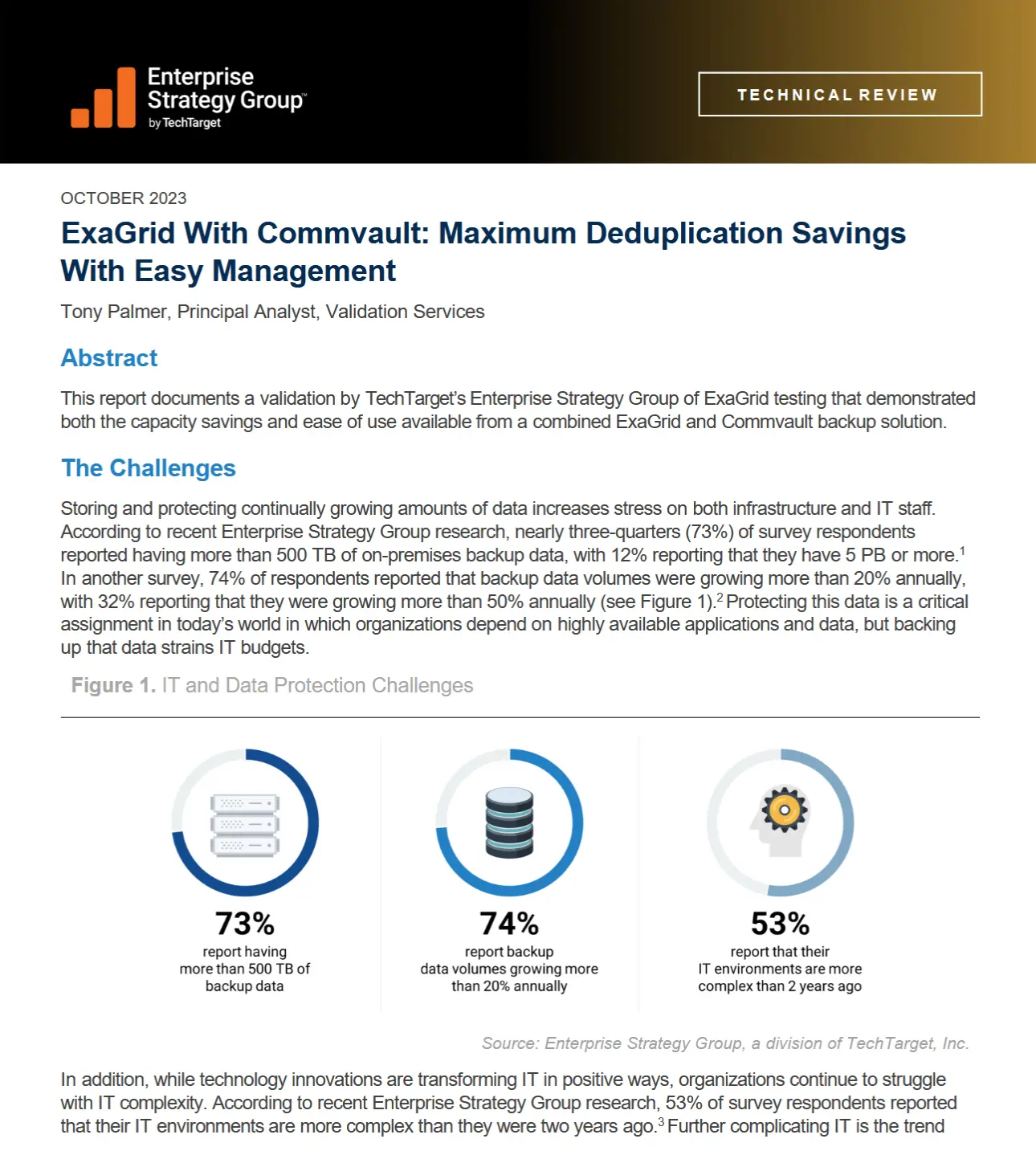
The thirst for embracing all things AI will continue unabated in 2024. However, to gain a competitive advantage, organizations must invest resources to ensure data is clean before feeding it into large language models. This will ensure that the intelligence is accurate, free of bias, and highly relevant, enabling it to drive the business forward with tailored insights rather than potentially off course.
2. Crossing the AI Skills Chasm
Enterprises looking to leverage AI in 2024 will need to acquire new skills, leading to a surge in demand for data scientists, AI ethics, and regulatory compliance expertise. This will drive a Tsunami of applications for relevant college courses as Gen Z and Gen Alpha look to ride the AI wave. In addition, it will be vital to retrain older cohorts to ensure they remain a productive part of the workforce in the coming years.
3. Business Transformation: Sustainability is in the Driving Seat
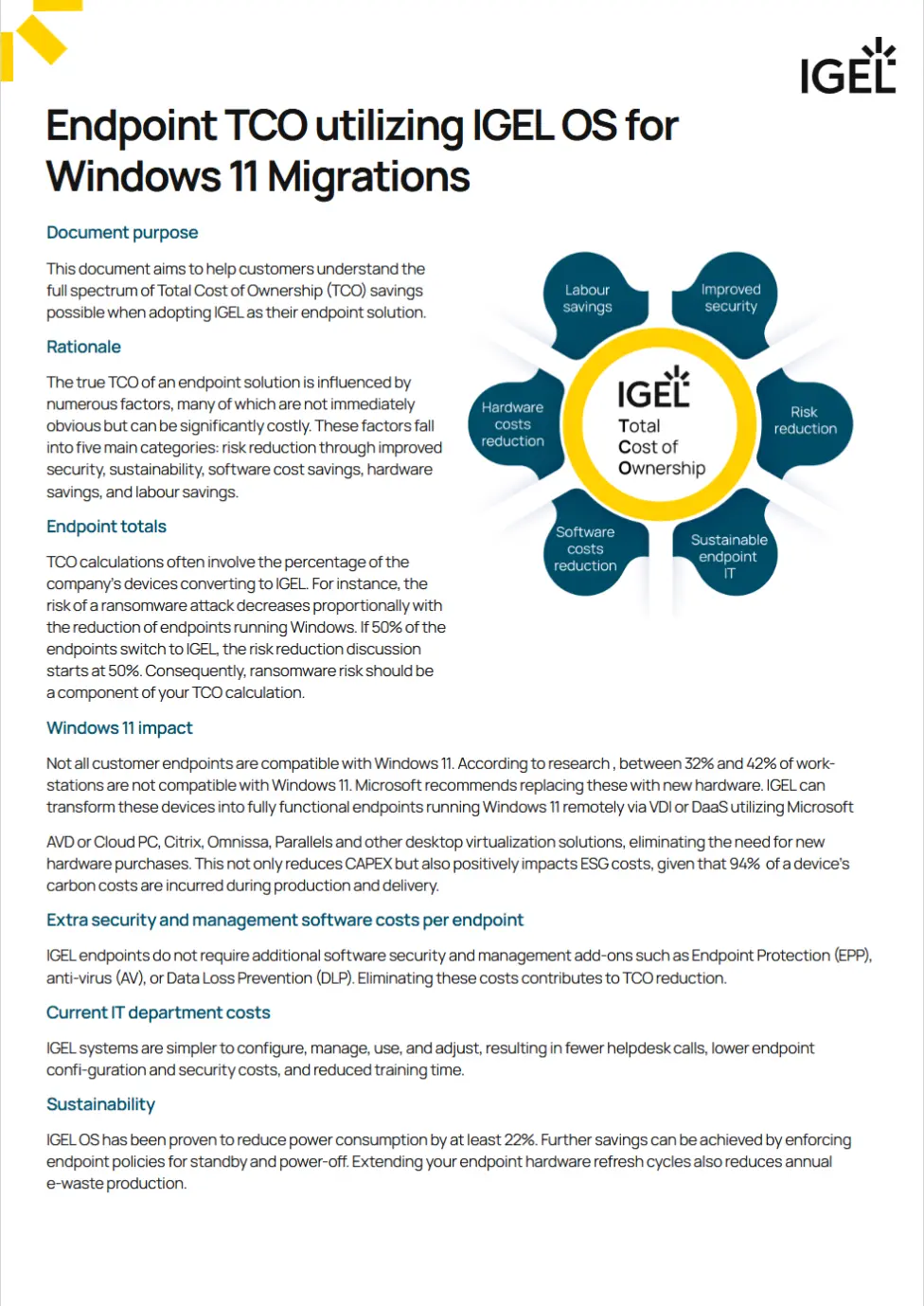
Sustainability is no longer optional. With net zero targets looming on the horizon, it must be a foundational part of all decision-making criteria, alongside speed, cost, impact, alignment to strategy, and new technology. This shift will ensure that organizations make informed, environmentally responsible choices as they continue on their transformation journeys.
Green tech will increasingly be prioritized along with innovations that align with sustainable and socially responsible goals. Continuous monitoring of a company’s carbon footprint will become a priority.
4. The Future is Cloudy
The widescale adoption of the cloud shows no sign of slowing, and hybrid multi-cloud environments will become the norm. The mix of private, public, and on-premises settings supports diverse workload needs while ensuring security and compliance. The continued shift to the cloud will drive up demand for several key roles, including already scarce cybersecurity professionals, cloud cost engineers, and cloud-native application developers.
5. Technical Debt Continues to Escalate
The relentless drive for speed and agility is contributing to escalating technical debt. Modernization efforts are helping fuel the problem, which limits an organization’s ability to compete. The situation is more acute in regulated industries that are lagging in their transformation efforts and are plagued by legacy systems and inflexible software.
6. Platform Engineering Arrives
Enterprise architecture is a long-established central pillar of a business’s organizational structure. However, today, enterprises are digital by default and are grappling with complexity resulting from a vast portfolio of applications and infrastructure. Making sense of this requires a platform leader to architect connections between the business processes, outcomes, and technology investments to build the right infrastructure to drive the organization forward. Enterprise architects are evolving into platform leaders, adopting a broader outlook and taking into account functionality, how everything works together, the services the company should offer, and the use cases. Platform engineering is becoming the new reality for enterprise architects.
##
ABOUT THE AUTHOR

Gareth was appointed CEO of Orbus Software in September 2022, following an extensive career within international technology companies and SaaS businesses. He was previously CEO at ThinkProject and held various senior roles at Motorola and BT. In addition, he has had several board-level IT positions within the oil and gas, mining, and construction sectors and was the CIO at Laing O’Rourke and Baker Hughes.